Delays Start Before Takeoff: What a Simulation Studio Sees on the Apron
April 28, 2026
News
2 min read

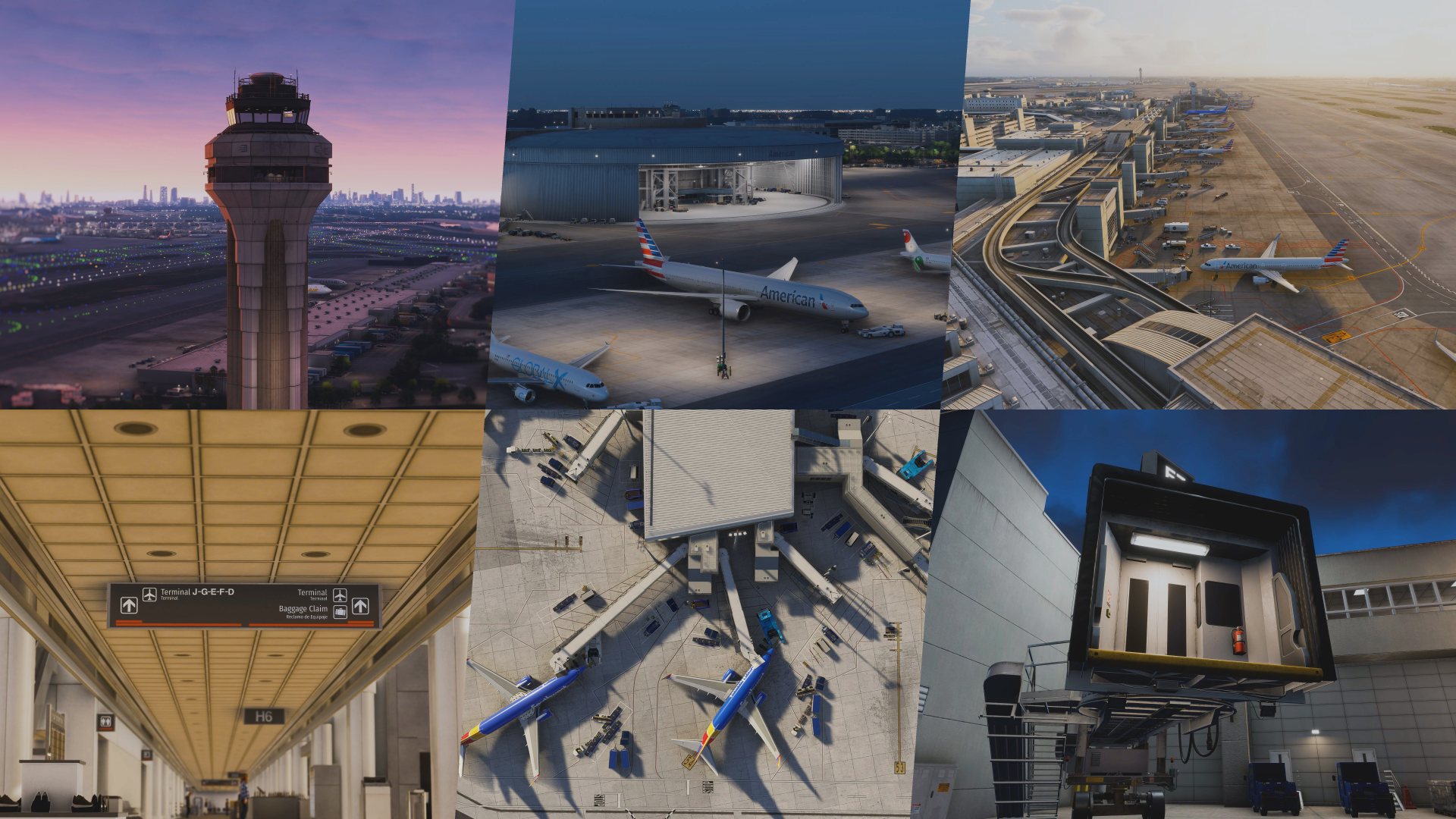
MK Studios has built airports for 13 years, first for Microsoft Flight Simulator and, since 2025, for professional training. Our ground handling training product is Airport Training Simulator (ATS). It exists because of one simple observation: many flight delays start on the apron, and one of the most reliable ways to reduce them is to train the people who work there. This article explains why, and what ATS does about it.
What happens on the apron
A turnaround brings aircraft, crew, passengers, equipment and ground teams together in a short window. Each step depends on the one before. Delays often come from loading and unloading, fuelling, equipment availability, boarding and congestion on the ramp.
How small errors become delays
Most delays do not begin as big failures. They start with a pushback position slightly off, a vehicle that arrives late or a procedure done a little differently. A few lost minutes can affect a departure slot, then the next flight, the crew and the rest of the day. Ground errors also cost money: IATA estimates that aircraft ground damage could cost about 10 billion US dollars a year by 2035 if the industry does not act.
Where training falls short
Ground handling teams mostly practise in calm conditions, on real vehicles, when the vehicle and an instructor are free. Real work brings time pressure, missing information and many people depending on each other. Many of the most important situations cannot be rehearsed next to a real aircraft.
What ATS is for us, and how it helps
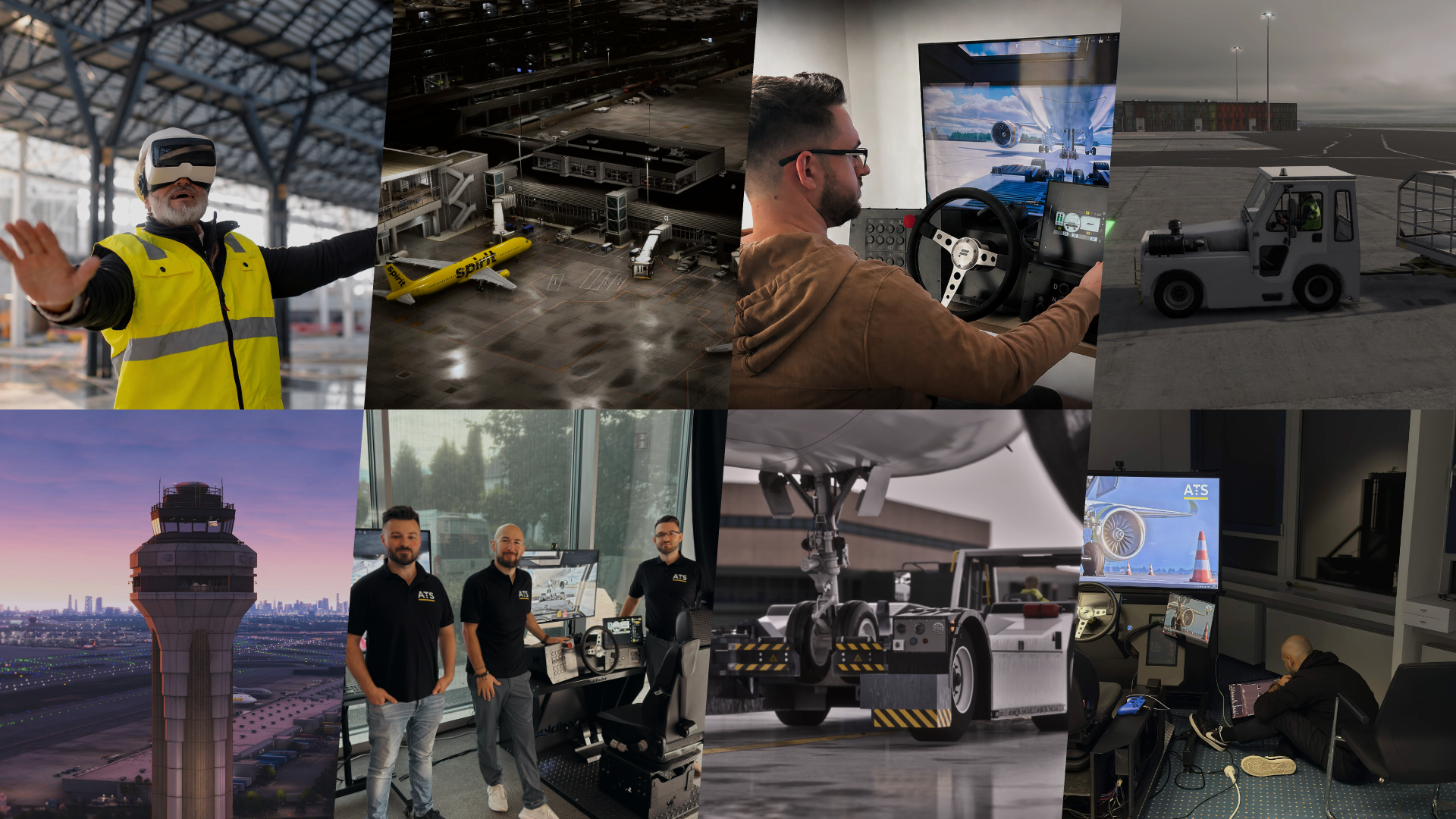
ATS is our answer to that gap. It is a simulator where ground handling teams practise real procedures on a copy of their own airport, again and again, without risk to aircraft, vehicles or people. It covers pushback and towing (developed with Goldhofer), walkaround and FOD checks, cargo loading, baggage handling, airside driving, bus transfers, stairs and de-icing. According to ATS, around 10 days of simulator training can give a training effect similar to about 20 days in live operations.
Why we write about this
We build ATS together with ground handling professionals, and we want to share what we learn with the people who work in this industry. If your delays start on the ramp, better practice before the ramp is a good place to begin.
Read the full article: Why Most Flight Delays Don’t Start in the Air