From Airport Scenery to Digital Twins: What 13 Years of Building Airports Taught Us
May 6, 2026
News
2 min read

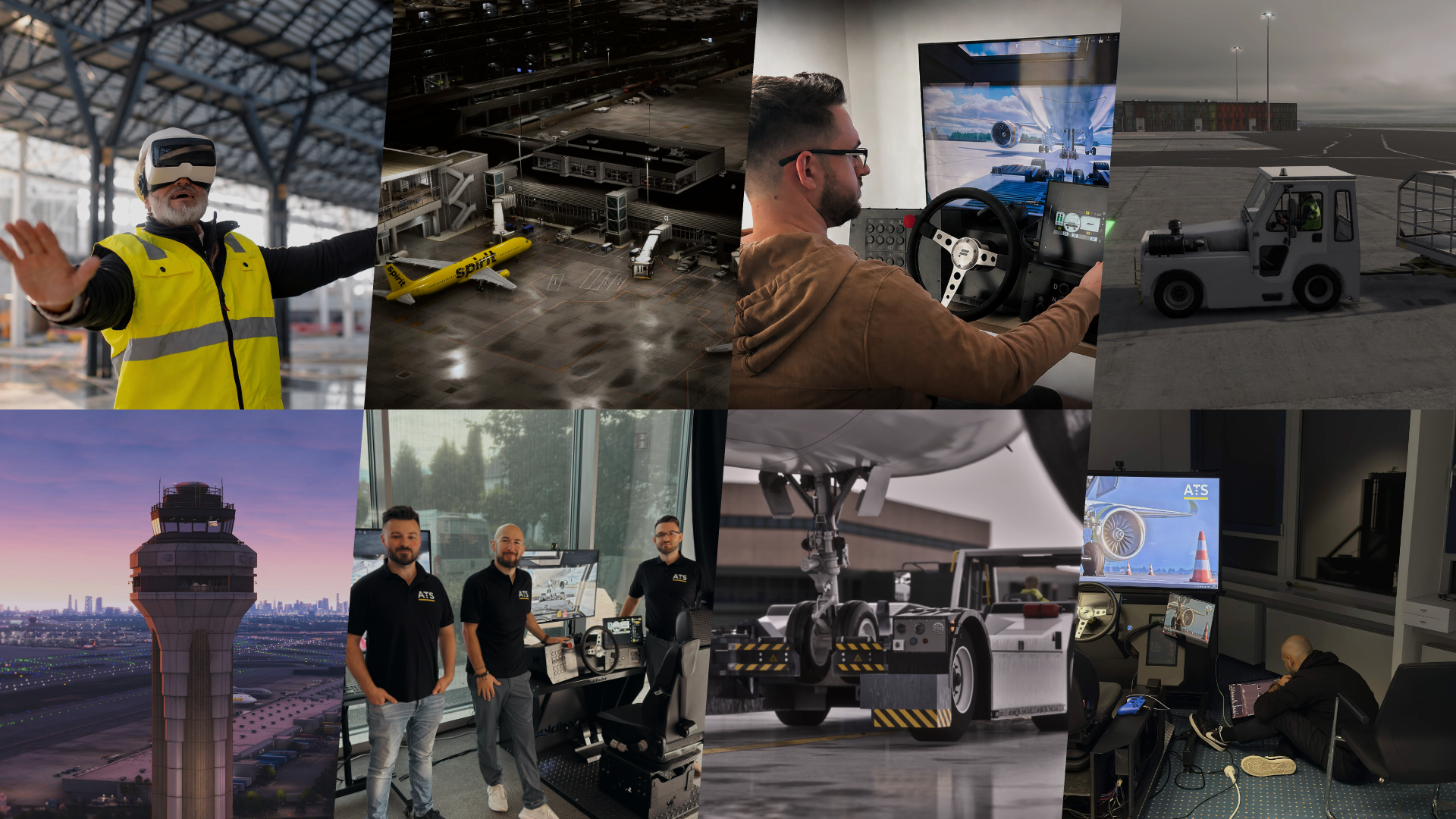
MK Studios started in 2013 by building airports for Microsoft Flight Simulator. Today we also build Airport Training Simulator (ATS), a training simulator for ground handling teams. The two are closely connected: the skills we developed making airports for flight simulation are what let us rebuild a real airport as a digital twin for training. This article explains how, and why it matters to the people who work on the apron.
From flight simulator scenery
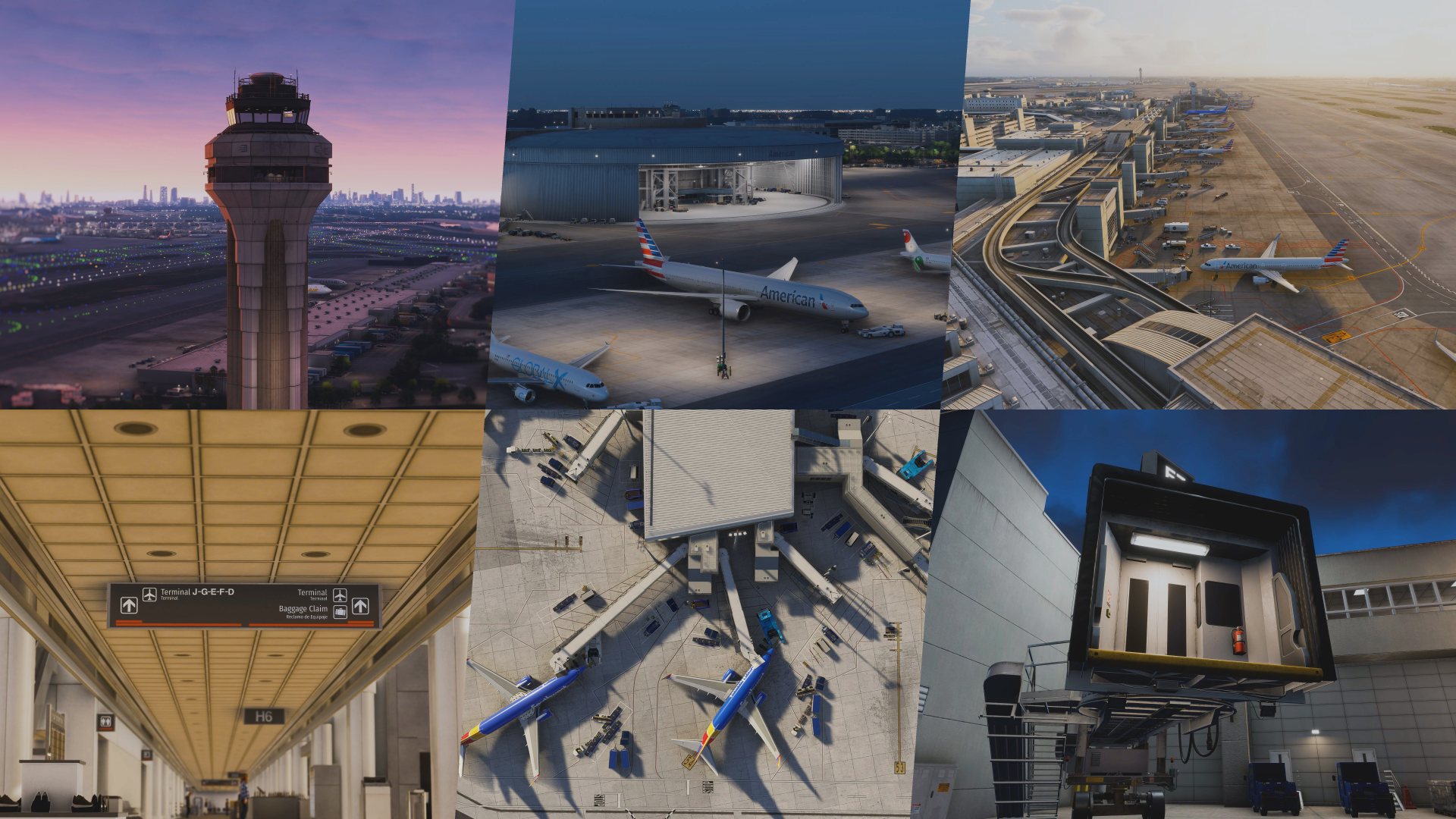
Our airports for Microsoft Flight Simulator, such as Tenerife South, Vágar and Fort Lauderdale-Hollywood, are built from real references: terminal buildings, ground textures, markings, signs, stands and lighting. A pilot will notice if a stand number or a taxiway sign is wrong, and so will we. That standard of accuracy is the base of everything else we do.
Through 3D models and licensing
In 2017 we began licensing 3D airport environments and custom infrastructure models. Building them taught us how much small details count: the right scale, believable signs and displays, and elements arranged with real spacing and sightlines. In 3D work, if the proportions are wrong, nothing built on top of them feels convincing.
To digital twins for training
A digital twin is a very accurate virtual copy of one real airport. For ground handling it follows the details that decide how work gets done:
- stand geometry and aircraft clearances
- airside roads and vehicle traffic flow
- pushback routes and restricted areas
- terrain height and ramp slopes
- terminal buildings and service access points
- GSE operating zones and parking positions
- airport-specific procedures
Small differences matter on the apron. A changed stand position or a new construction route can change how teams work during a busy period.


How this works in ATS
In ATS we rebuild the customer’s own airport, and more than one if the operation covers several stations, so the stands in the simulator are the ones operators really work. When an airport changes, teams can rehearse before the change goes live: new pushback routes, temporary construction traffic, a changed stand layout, a new vehicle or a move to another station. Managers also get one standard scenario for every shift and every team.
Why we write about this
Flight simulation fans and ground handling professionals are very different audiences, but both need a place that feels real. We want ground handling companies to know that the people who build their training environment come from 13 years of building airports.
Read the full article: How Airport Digital Twins Improve Ground Handling Training